Products

FORTA-FI FIBERS

FOR ASPHALT MIX REINFORCEMENT

Need more information about our products? If you wish to obtain additional information or details, please contact our professionnal team.

FORTA-FI FIBERS

DESIGNED FOR HOT AND WARM MIX ASPHALT

FORTA® Corporation has been the pioneer in introducing Aramid fibers in asphalt pavements since 1982, achieving successful projects worldwide. The FORTA-FI fibers have been perfected through continuous R&D since 1986, in collaboration with major universities.

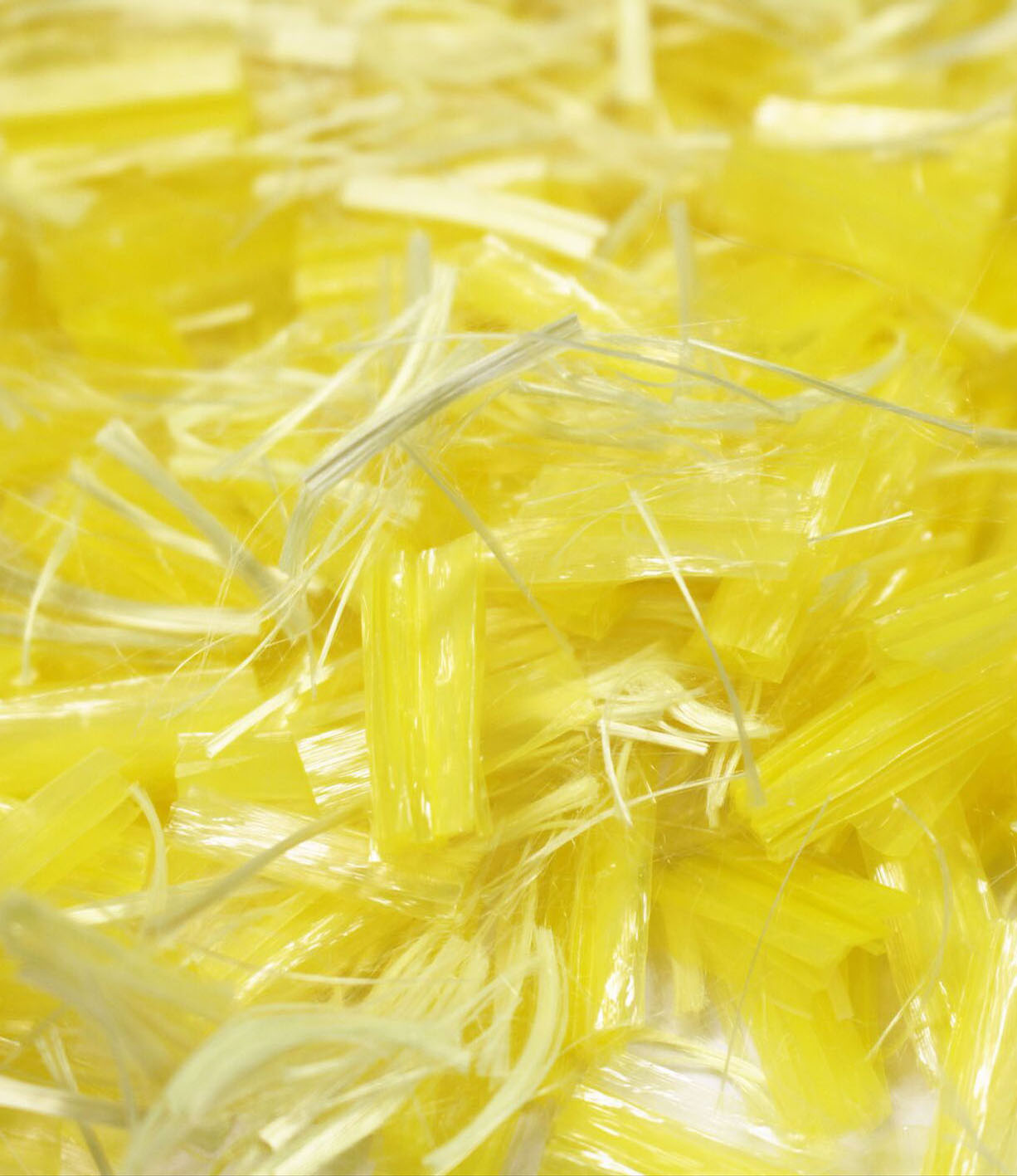
FORTA-FI® is a high tensile strength synthetic fiber blend formulated to reinforce asphalt mixes in both new construction and rehabilitation projects. The blend of aramid and polyolefin fibers enhances your current mix design. Aramid fibers do not melt during production and provide mechanical reinforcement to the asphalt mix, known for their strength and durability in both high and low temperatures. The polyolefin fibers serve as a transport medium for the aramid fibers, helping to distribute them homogeneously across the mix within five (5) seconds of dry mixing time. It is the most efficient fiber blend containing Aramid.

FORTA-FI can provide initial cost savings through reduced pavement layer thickness while delivering the same durability as conventional mixes or the ability to reduce overall life-cycle costs by extending pavement life when placed at a conventional pavement thickness.
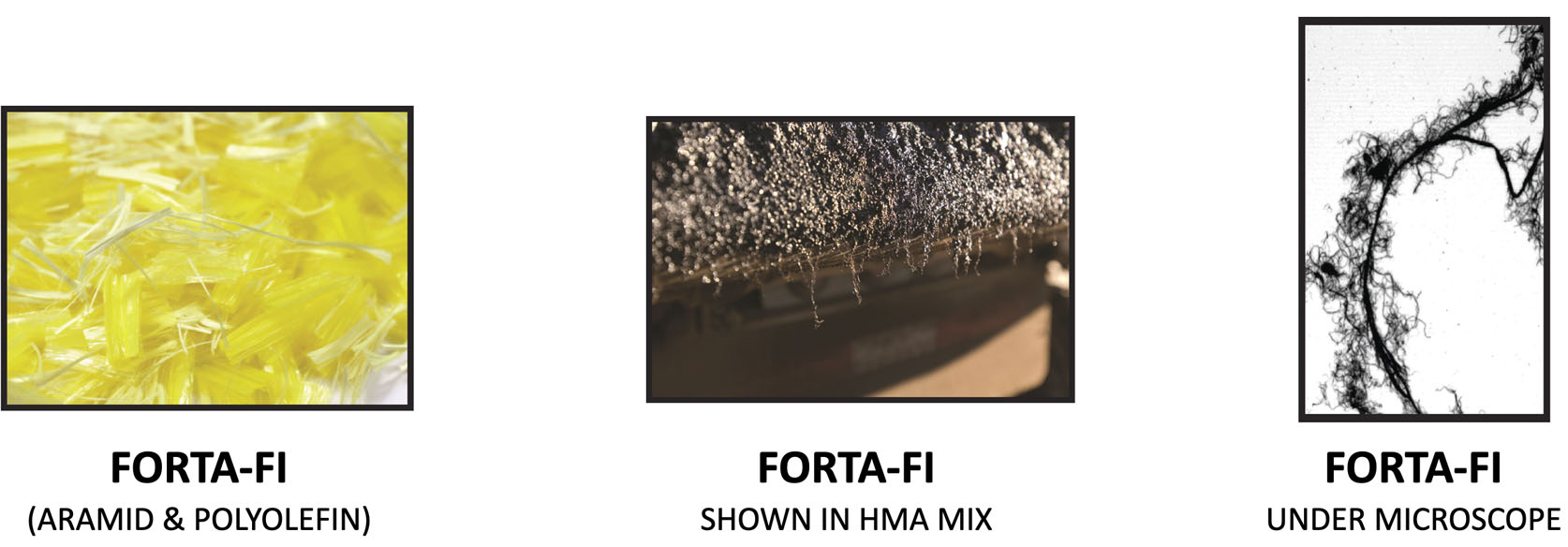
Features

  • Designed for all working temperatures
  • Suitable for batch or drum plants
  • Easy to feed and distribute uniformly
  • Improves tensile strength
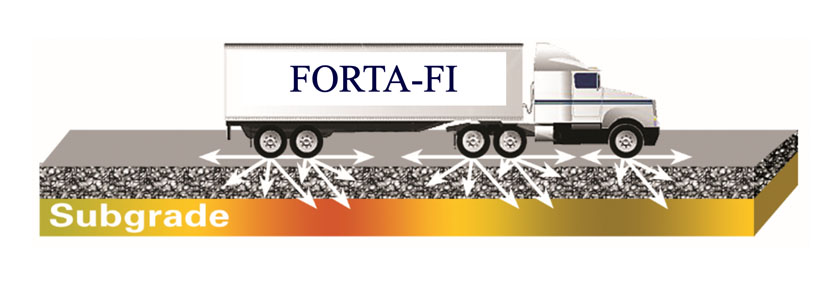
  • Provides 3D isotropic reinforcement to the pavement
  • Available in pre-dosed bags for small to medium-sized paving jobs with mix temperatures above 140 °C, or in bulk for large jobs and/or mix temperatures below 140 °C.

Benefits

  • Initial cost savings through reduced pavement layer thickness, delivering the same durability conventional mixes placed at full thicknesses.
  • Extends pavement life by up to 50% by reducing raveling, rutting, thermal, reflective, and fatigue cracking, when placed at regular thicknesses.
  • Sustainable product reducing emissions from haulage trucks and using less rock from quarries in the short or long term.
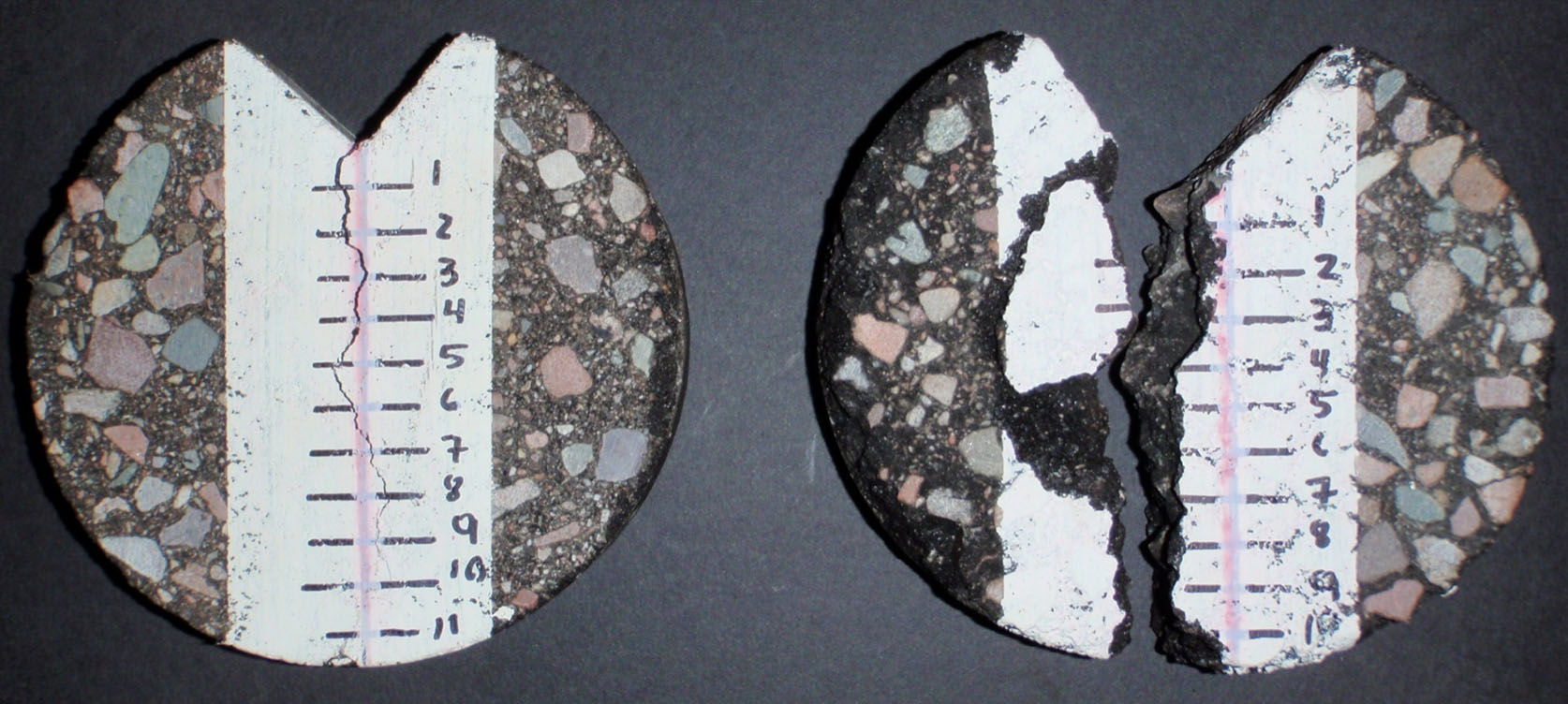
  • With FORTA-FI fibers    Control Mix

    Easy to Use

    • Easy to mix in both Batch and Drum plants
    • No modifications needed to asphalt plants
    • No modifications needed to the current asphalt mix design
    • Requires only five (5) seconds of dry mixing for optimal fiber distribution
    • No worker training required for job site mix application
    • No modifications needed to standard placement or compaction practices.

    How to add FORTA-FI at the asphalt mix plant


    The Aramid fibers in the FORTA -FI product are NON-coated allowing them to start dispersing immediately upon contact with the hot aggregates inside the mixer. Only five (5) seconds of dry mixing time is required to fully distribute the 21 million Aramid fibers per tonne of mix. The non-coated Aramid fibers enable full fibrillation, creating a network of interconnected fibers that enhances pavement performance.

    There are several methods to introduce FORTA-FI® into the asphalt mix plant at a dosage of 0.5 kg of fiber per (1) tonne of asphalt mix. Below are standard procedures; depending on the plant used and its customizations, we may recommend different methods.


    In a batch plant


    Manual Addition: Add the pre-dosed, patented 0.5 kg bags of FORTA-FI directly into the pug mill or weight hopper. Since the bags are pre-dosed, a single operator can easily add them without opening the bags. This method is suitable for any Hot Mix Asphalt (HMA) and some Warm Mixes (WMA) with mix temperatures above 140°C.


    Big Shot System: If dust, heat, or noise near the pug mill make manual addition difficult, use the Big Shot system. The operator can remain at ground level, feeding the bags through the 8-inch tube of the Big Shot venturi system.


    Warm Mix Asphalt (WMA) Below 140°C: Use the Big Shot system. Open and empty the bags at the mouth of the 8-inch tube. The empty bag is then sucked into the system. The bag, designed to melt below 100°C, becomes part of the mix as a polymer.

    In a continuous mix plant


    Manual Addition: Add the pre-dosed 0.5 kg bags of FORTA-FI directly into the mixing drum at the RAP collar or onto the RAP conveyor belt on top of the RAP material. Since the bags are pre-dosed, a single operator can easily add them without opening the bags. This method is suitable for any HMA and some WMA with mix temperatures above 140°C and has been successfully used on projects up to 15,000 tonnes of mix.


    Big Shot System: If the RAP belt or RAP collar is not easily accessible, use the Big Shot system. The operator can remain at ground level, feeding the bags through the 8-inch tube of the Big Shot venturi system connected to the RAP collar. For WMA below 140°C, open and empty the bags at the mouth of the 8-inch tube; The empty bag is then sucked into the system. The bag, designed to melt below 100°C, becomes part of the mix as a polymer.


    Voyager Fiber Dispenser Trailer: For large paving projects or WMA at low temperatures, use the Voyager, a radio remote-controlled, fully automated fiber dispenser trailer. Connected to the RAP collar through a flexible tube, the Voyager uses FORTA-FI in bulk. It does not require compressed air due to its turbo system and only needs to be plugged into a power source. The easy-to-use remote-control panel allows the plant operator to fully operate the Voyager from the control room.

    * FORTA®, FORTA-FI™, are registered trademarks of FORTA Corporation

    FORTAFIED ASPHALT VS. NON-FORTAFIED ASPHALT

    FORTAfied Asphalt


    The presence of FORTA-FI in the pavement creates a matrix due to the isotropic 3D links between the fibers and the aggregates / fines, resulting in a bigger area of the pavement responding to the induced stresses from the trucks’ tires. The outcome is less longitudinal cracks, less alligator cracks and less rutting.

    SAVE DOWN THE ROAD


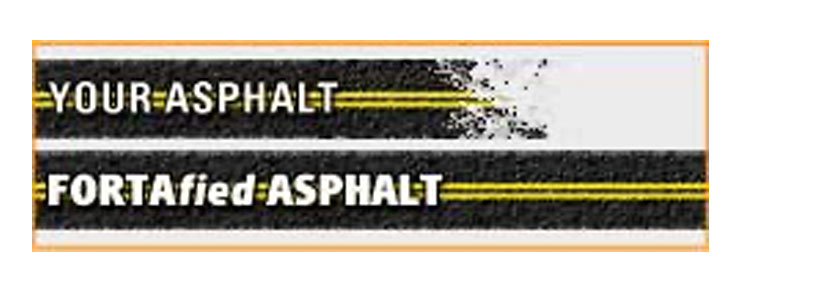
    Lasts 50% Longer
    Reduce five (5) pavement distresses: Fatigue cracking, Thermal cracking, Reflective cracking, rutting, and raveling.

    Non-FORTAfied Asphalt


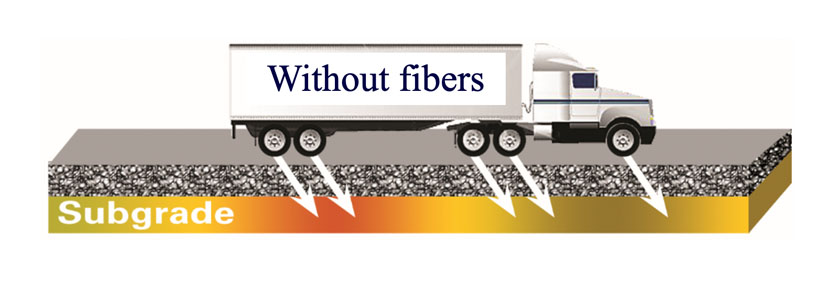
    The unidirectional loads transmitted by the truck’s tires produces stress and fatigue in the unreinforced pavements.


    Resources

    Read up on best practices, and learn about the latest innovations and technologies.